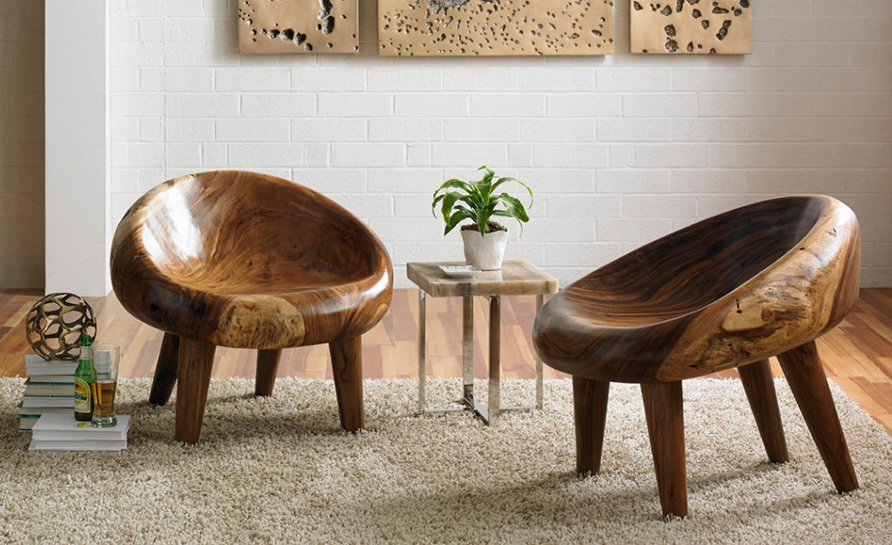
The word Sustainable has permeated nearly every industry: energy, automotive, real estate, and healthcare, just to name a few. It makes sense, then, that sustainable furniture would follow suit. If you’re interested in living an eco-friendly life, you might want to consider sustainability when you choose your next furniture piece.
What Is Sustainable Furniture?
Put simply, sustainable furniture also
referred to as "eco-friendly" or "green" furniture are
furnishings made from used or renewable resources. In other words, it doesn’t
harm the environment as much as furniture made from nonrenewable resources or
brand-new materials. Recycled plastic, for instance, has already been used for
another product, while bamboo grows so quickly and spreads so widely that it’s
easily replaced.
Sustainable furniture design can take many
forms, from DIY solutions that crafty consumers cook up in their garages to
lines of professionally designed pieces that come from sustainable sources.
However, sustainability goes beyond the product itself. True eco-friendly
furniture is sourced, designed, manufactured, transported, and delivered with
the smallest possible carbon footprint.
What Materials Do Green Furniture Designers
Use?
As mentioned above, plastic and bamboo serve as reliable go-to materials for sustainable furniture design. However, many other substances prove useful:-
Rubber
- Straw
- Hemp
- Cork
Additionally, any piece of furniture made from
recycled materials can bear the sustainable label. Used metal, textiles, and
timber, for instance, can all help the environment. In fact, if you pick up a
vintage chair at a flea market, you’re technically buying a sustainable product
because it might otherwise wind up in a landfill.
Where Do Sustainable Materials Comes From?
Part of the sustainable movement involves reducing carbon emissions. Big boats, trucks, and planes emit copious fumes as they crisscross the country and the world. Therefore, true sustainable material comes from local sources. That way, the furniture produces fewer emissions as it travels from factory to home.
Additionally, they come from manufacturers or
builders who don’t use flame retardants and other chemicals in furniture
production. While a flame-retardant couch might seem like a sound purchase,
these chemicals cause more harm than good. They release chemicals that reduce
indoor air quality and put human and animal health at risk.
You’ll also want to consider furniture made with few or no volatile organic compounds, or VOCs. All furniture gives off gasses, or releases substances into the air, but you want furniture that
Comments
Post a Comment